Building High-Performance Marketing Funnels: From Click to Conversion
High-performing marketing campaigns rely on well-structured conversion funnels rather than isolated ads or landing pages. A successful funnel aligns audience targeting, messaging, landing page design, and CRM nurturing systems into a unified customer journey. Drawing from hands-on experience managing performance campaigns across multiple industries, this article explores the technical foundations behind building scalable marketing funnels that convert traffic into measurable business results.
8 min read
Introduction
Many marketing discussions focus heavily on traffic generation. Teams celebrate increases in impressions, clicks, and website visits, assuming that traffic growth will naturally translate into more customers.
However, experienced marketers quickly realize that traffic alone does not drive business results. What ultimately determines campaign success is the structure of the funnel that sits behind the traffic source.
A well-designed marketing funnel ensures that every click has a clear path toward conversion. Without this structure, even the most sophisticated advertising campaigns struggle to produce consistent results.
Understanding the Modern Marketing Funnel
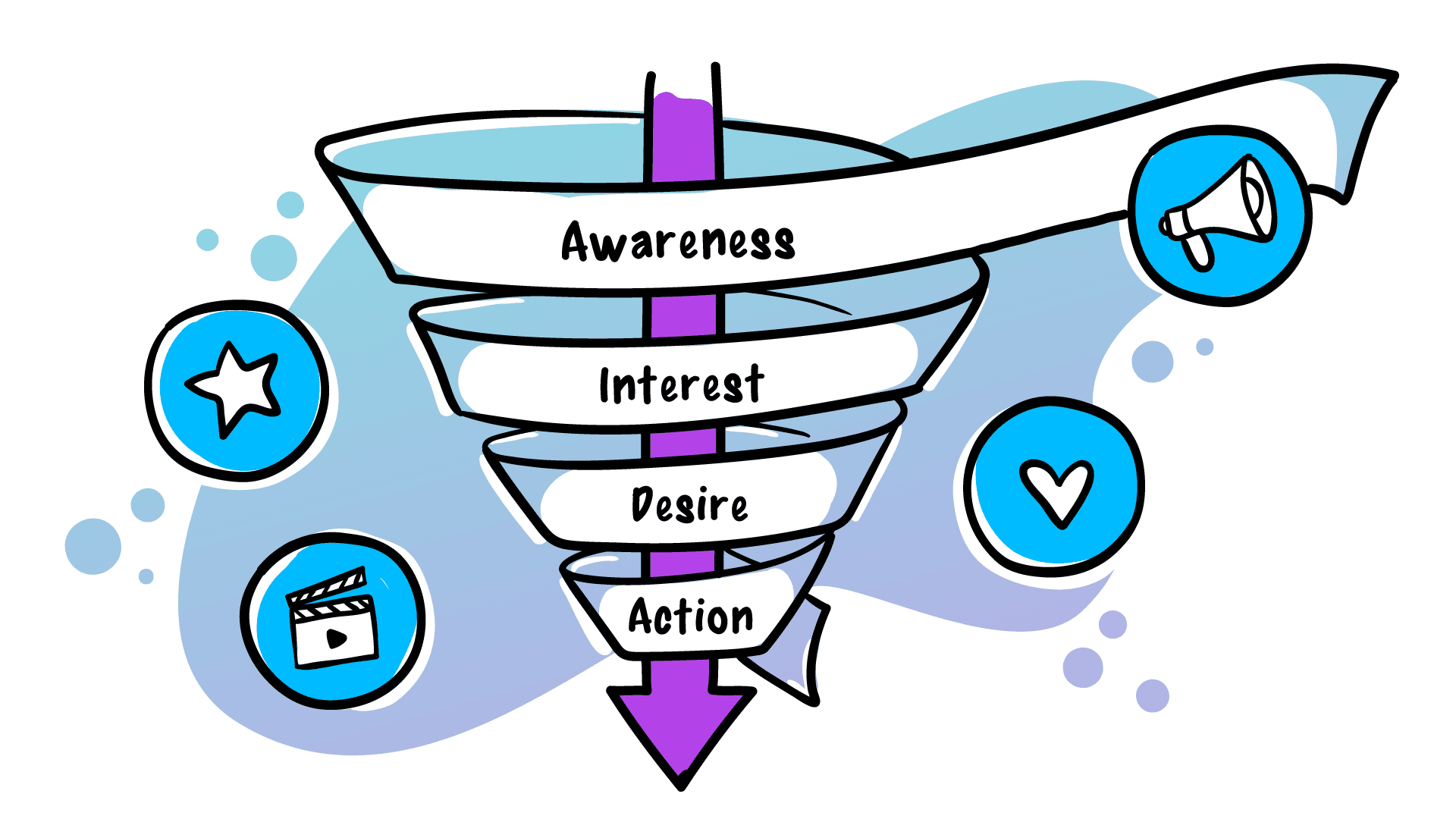
A modern marketing funnel is far more complex than the traditional awareness–consideration–conversion model that is often taught in marketing textbooks.
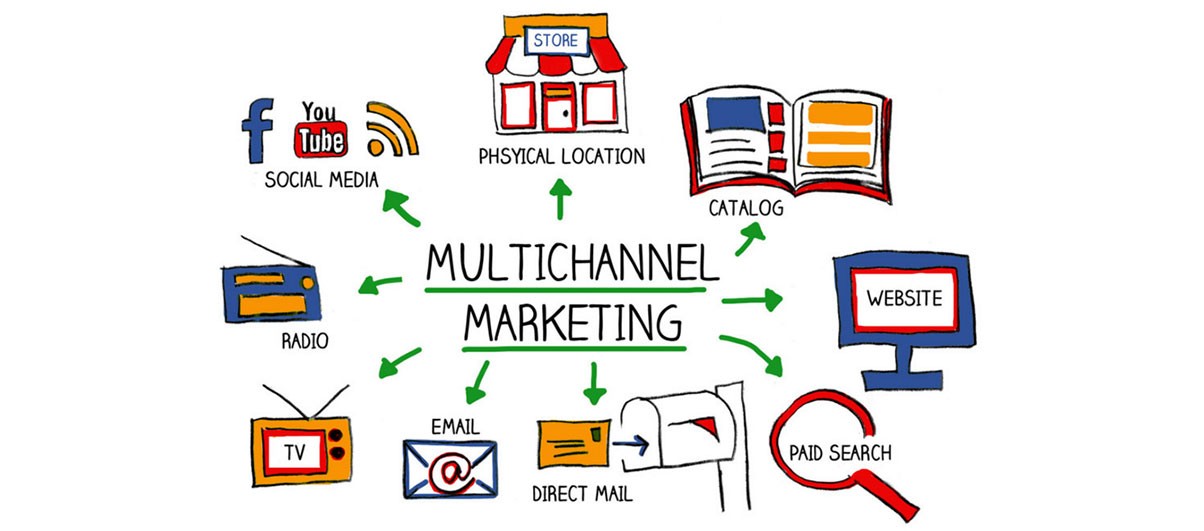
Today’s funnels operate across multiple platforms, devices, and touchpoints. A potential customer might first discover a brand through social media advertising, later search for the product on Google, visit the website, leave without converting, and then return after seeing a remarketing ad.
Each of these interactions forms part of the overall funnel architecture. Effective marketing funnels are designed to guide users through these stages intentionally rather than leaving the journey to chance.
The Role of Landing Pages in Funnel Performance
Landing pages represent one of the most critical components of any marketing funnel. While advertisements are responsible for capturing attention and generating clicks, landing pages determine whether that attention translates into meaningful action.
High-performing landing pages typically focus on a single objective, communicate value clearly, and minimize distractions.
Elements such as page speed, mobile responsiveness, clear headlines, and visible calls-to-action all contribute significantly to conversion performance.
As digital marketing expert Peep Laja once noted, “Conversion optimization isn’t about guesswork — it’s about understanding user behavior and removing friction.”
Messaging Consistency Across the Funnel
One of the most common causes of poor conversion performance is inconsistency between ad messaging and landing page experience.
If a user clicks on an advertisement promising a specific benefit or offer but arrives on a page that communicates something different, trust quickly erodes. Maintaining message consistency across the funnel helps reinforce the value proposition and improves the likelihood of conversion.
This alignment requires close collaboration between creative teams, performance marketers, and website developers to ensure that messaging remains coherent throughout the user journey.
The Importance of Retargeting and Mid-Funnel Engagement
Very few users convert during their first interaction with a brand. Retargeting campaigns therefore play an essential role in guiding prospects further down the funnel.
These campaigns allow marketers to re-engage users who have already demonstrated interest but have not yet taken action. Retargeting ads often perform significantly better than cold audience campaigns because they focus on individuals who are already familiar with the brand.
By delivering tailored messaging to these audiences, marketers can address objections, reinforce value, and encourage users to return to the conversion point.
CRM Integration and Lead Nurturing
The funnel does not end once a user submits a lead form or signs up for a service. In many industries, especially healthcare, education, and service-based businesses, the lead generation stage marks the beginning of a longer decision-making process.
This is where CRM systems and marketing automation tools become critical. Automated email sequences, remarketing audiences, and follow-up communications help nurture leads until they are ready to convert.
According to HubSpot research, companies that implement structured lead nurturing workflows generate significantly higher conversion rates compared to those that rely solely on initial campaign interactions.
Data and Continuous Optimization
Building an effective marketing funnel requires continuous testing and optimization. Marketers should regularly analyze performance metrics such as bounce rates, form completion rates, conversion rates, and customer acquisition costs.
These insights help identify friction points within the funnel and reveal opportunities for improvement. Small changes, such as adjusting a headline, shortening a lead form, or improving page load speed, can often produce meaningful improvements in conversion performance. Over time, these incremental improvements compound to create significantly stronger marketing outcomes.
Final Thought
The most successful marketing campaigns are rarely defined by traffic volume alone. They succeed because the systems behind them are carefully designed to convert attention into action.
Building high-performance marketing funnels requires a combination of strategic thinking, technical understanding, and continuous optimization.
When these elements work together, marketing evolves from a collection of individual campaigns into a scalable growth engine capable of delivering consistent business results.
Join the newsletter
Be the first to read my blogs.