What Enterprise Retail Taught Me About Digital Growth and Channel Strategy
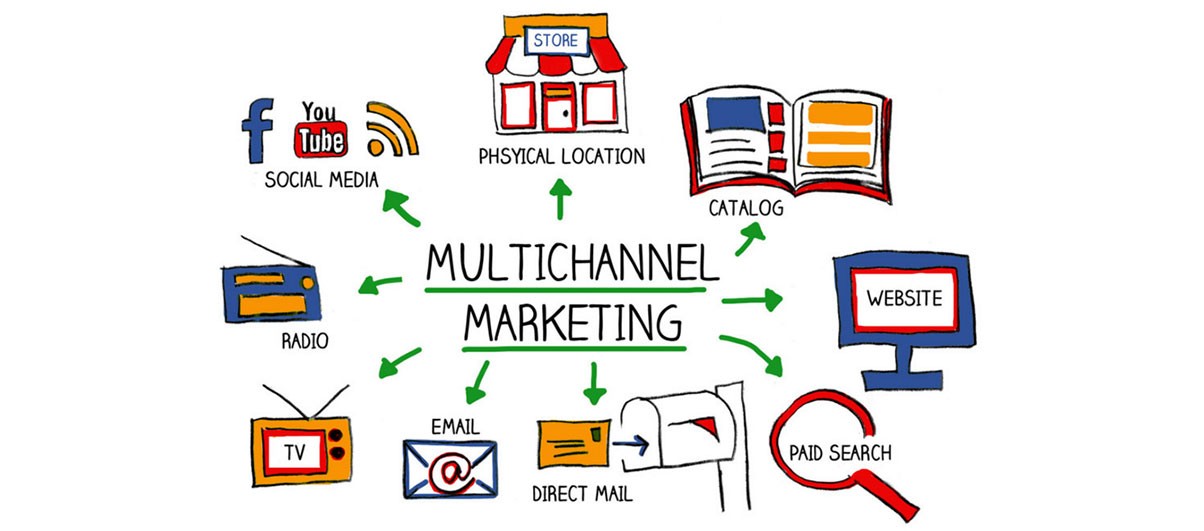
Digital marketing within enterprise retail environments is significantly more complex than traditional direct-to-consumer campaigns. Brands must coordinate marketing strategies across multiple retailer platforms, partner ecosystems, and internal teams while maintaining consistent product visibility and brand positioning. Drawing from experience working with major retail partners such as Best Buy, Walmart, and Costco, this article explores how channel partnerships, product page optimization, digital merchandising, and cross-team collaboration influence sustainable growth within large-scale retail ecosystems.
9 min read
Introduction
Digital marketing within enterprise retail environments introduces a unique set of challenges that many marketers rarely encounter in traditional direct-to-consumer models.
In a typical direct-to-consumer environment, brands control most aspects of the customer journey—from advertising campaigns to website experience and checkout processes. Marketing teams can quickly test new ideas, optimize landing pages, and adjust messaging based on performance data.
Enterprise retail ecosystems operate very differently.
Brands must coordinate marketing strategies across multiple retailer platforms, each with its own systems, merchandising structures, product page requirements, and promotional calendars. At the same time, internal teams such as product management, supply chain, and sales operations must remain aligned with marketing initiatives.
Through my experience managing digital marketing channels within enterprise retail environments, one thing became clear: successful growth requires more than strong marketing campaigns—it requires operational alignment across an entire ecosystem.
Retail Platforms Are Complex Digital Ecosystems
Retail partners are not simply distribution channels. They operate as fully developed digital ecosystems with their own internal priorities, merchandising strategies, and customer experiences.
Each retailer platform has unique requirements for:
Product listings
Product descriptions
Digital merchandising placements
Promotional visibility
Sponsored advertising opportunities
Maintaining strong product visibility across these platforms requires continuous collaboration between brand teams and retailer partners.
When product pages are optimized correctly—with accurate descriptions, high-quality visual assets, customer reviews, and consistent branding—they significantly improve product discoverability and customer engagement.
However, maintaining this consistency across multiple retailers requires careful coordination.
Product Visibility Drives Online Sales
One of the most important lessons I learned while working within enterprise retail ecosystems is that product visibility directly influences digital sales performance.
Even strong products can underperform if they are not properly represented within retailer platforms.
Product discoverability depends on several key factors:
Accurate and optimized product descriptions
Proper categorization within retailer systems
High-quality images and product assets
Consistent brand messaging
Positive customer reviews
When these elements are aligned, products become easier for customers to discover and evaluate. When they are inconsistent or missing, sales performance can decline quickly.
This is why managing product content and digital merchandising is often just as important as managing advertising campaigns.
Channel Marketing Requires Cross-Functional Collaboration
Unlike many marketing environments where campaigns can be executed independently by marketing teams, enterprise retail marketing requires collaboration across multiple internal departments.
Marketing teams often need to work closely with:
Product management teams responsible for product positioning
Supply chain teams responsible for inventory availability
Sales teams managing retailer relationships
Analytics teams monitoring performance metrics
Retail partners themselves also operate with their own marketing, merchandising, and technical teams.
Ensuring alignment across these groups becomes essential for launching promotions, managing product visibility, and coordinating marketing initiatives.
In many cases, successful campaigns require coordination weeks or months in advance to ensure that marketing efforts align with retailer timelines and product availability.
Digital Advertising Within Retail Ecosystems
Another important aspect of enterprise retail marketing involves sponsored placements and digital advertising within retailer platforms.
Retailers increasingly offer advertising opportunities that allow brands to improve product visibility through sponsored listings and digital placements.
These advertising opportunities operate similarly to traditional paid media campaigns, but they often require careful coordination with broader marketing strategies.
Successful campaigns must consider factors such as:
Keyword targeting
Sponsored product placements
seasonal promotions
retailer-specific campaign strategies
When executed effectively, these campaigns can significantly improve product visibility and drive measurable increases in online sales.
However, without proper optimization and strategic planning, advertising spend can quickly become inefficient.Conversion-Oriented Simplicity
Managing Brand Consistency Across Retailers
Another challenge within enterprise retail marketing is maintaining consistent brand presentation across multiple partner platforms.
Each retailer may display product information differently, which can create inconsistencies in product messaging, visual branding, and customer experience.
Maintaining brand consistency often requires close coordination between internal marketing teams and external vendor partners responsible for content syndication.
These systems ensure that product descriptions, images, and marketing assets remain consistent across all partner platforms.
Without these processes in place, brand messaging can quickly become fragmented.
The Role of Operational Problem Solving
Enterprise retail marketing also involves solving operational challenges that extend beyond traditional marketing responsibilities.
Technical issues related to content syndication, product listings, or platform integrations can directly impact product visibility and customer experience.
Resolving these challenges often requires collaboration between marketing teams, retailer technical teams, and vendor partners.
The ability to quickly identify issues, coordinate solutions across multiple stakeholders, and maintain business continuity becomes an important leadership skill within enterprise environments.
Growth at Scale Requires Strategic Coordination
Perhaps the most important lesson from working within enterprise retail ecosystems is that growth at scale requires coordination across many moving parts.
Marketing campaigns alone cannot drive sustainable growth if product availability, retailer partnerships, and digital merchandising are not aligned.
When these elements work together effectively, however, brands can create powerful growth engines that scale across multiple platforms simultaneously.
This level of coordination requires both strategic thinking and operational discipline.
Final Thought
Enterprise retail marketing demonstrates that digital growth is rarely driven by a single initiative or campaign. Instead, it emerges from the successful coordination of multiple systems—product content, marketing campaigns, retailer partnerships, and operational processes.
Brands that understand how to align these elements create powerful competitive advantages within complex digital ecosystems.
For marketing leaders, the key lesson is clear: sustainable growth requires not only strong marketing execution but also the ability to navigate and align the broader business environment in which marketing operates.
Join the newsletter
Be the first to read my blogs.