Marketing Leadership Is About Alignment, Not Just Campaigns
Marketing is often viewed as a campaign-driven function responsible for generating traffic, leads, or brand awareness. However, in modern organizations, marketing leadership requires far more than campaign execution. Effective marketing leaders act as strategic connectors across departments, aligning marketing initiatives with product strategy, sales goals, operational capabilities, and customer experience. This article explores why alignment is one of the most critical responsibilities of marketing leadership and how organizations can build marketing teams that drive sustainable growth rather than isolated campaign success.
7 min read

Introduction
Marketing is often associated with campaigns, advertising platforms, and creative messaging. While these elements are important, focusing solely on campaign execution overlooks a much larger responsibility that marketing leaders must fulfill: aligning marketing with the broader business strategy.
Over the course of my experience working across multiple industries including healthcare, enterprise retail, and education, one lesson has consistently stood out. Marketing initiatives generate their greatest impact when they are closely aligned with product strategy, operational capabilities, and revenue goals.
When marketing operates in isolation, even well-executed campaigns can struggle to deliver meaningful business results.
Campaign Execution Is Only One Piece of the Puzzle
Many organizations measure marketing performance primarily through campaign metrics such as impressions, clicks, and leads. These metrics provide useful indicators of campaign activity, but they do not always reflect true business impact.
A campaign may generate thousands of leads, but if those leads are not aligned with the sales process or product positioning, conversion rates will suffer. Similarly, strong brand campaigns may increase awareness but fail to support immediate revenue objectives if they are disconnected from product launches or sales initiatives.
Marketing leadership requires looking beyond campaign performance and evaluating how marketing contributes to broader organizational goals.
The Importance of Cross-Functional Collaboration
Marketing rarely operates independently within modern organizations. Effective marketing strategies require close collaboration with several other teams across the business. Product teams provide insights into customer needs, feature development, and positioning strategies.
Sales teams offer feedback about lead quality, customer objections, and market demand. Operations teams ensure that marketing promises align with the organization’s ability to deliver services or products effectively. When these teams collaborate closely, marketing campaigns become far more strategic because they are built on real operational insights rather than assumptions.
Aligning Marketing With Business Objectives
One of the most important responsibilities of marketing leadership is translating high-level business goals into actionable marketing strategies. If a company aims to expand into new markets, marketing must develop campaigns that support awareness and demand in those regions.
If the goal is to increase revenue from existing customers, marketing may focus on retention campaigns, loyalty initiatives, or cross-selling strategies.
When marketing strategies directly support the organization’s core objectives, campaigns become much more meaningful because they contribute to measurable business outcomes.
Building Systems Instead of Isolated Campaigns
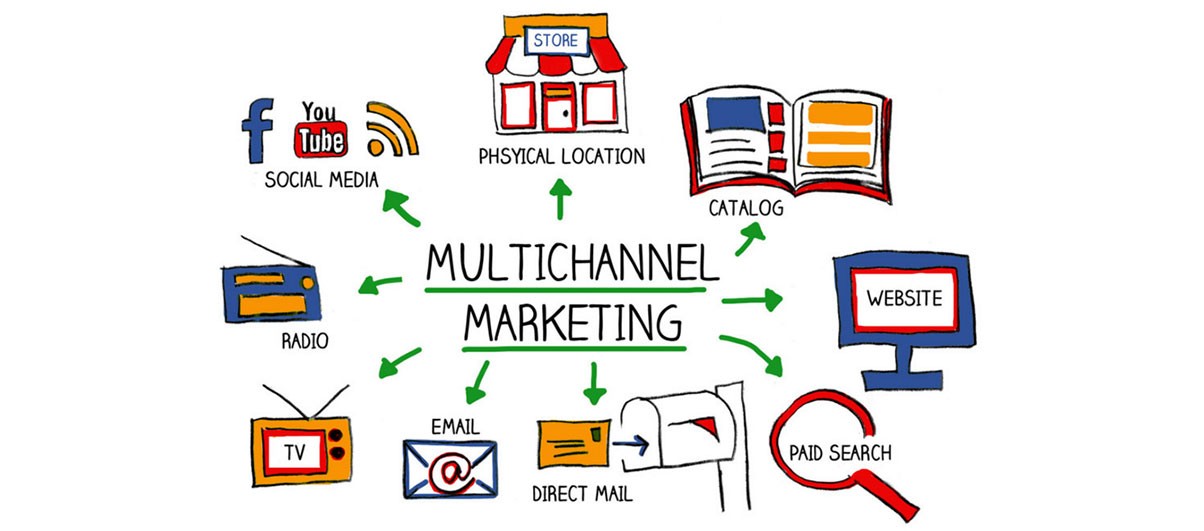
Another key shift that marketing leaders must encourage is moving from campaign thinking to system thinking. Instead of focusing on one campaign at a time, effective marketing teams build repeatable systems that continuously generate leads, nurture prospects, and convert customers.
These systems often include paid media strategies, optimized landing pages, CRM automation, remarketing campaigns, and analytics dashboards.
When these components work together, marketing evolves from a series of disconnected activities into a structured growth engine that supports the business consistently.
Data as a Shared Language Across Teams
Data plays an important role in aligning marketing with other departments. Marketing teams often track campaign performance through metrics such as cost-per-lead, conversion rates, and return on ad spend. Sales teams focus on pipeline value, deal size, and revenue.
Operations teams monitor service capacity and fulfillment efficiency. When these metrics are connected, organizations can build a clearer picture of how marketing activity translates into business performance.
Shared dashboards, reporting frameworks, and regular performance reviews help ensure that all teams operate with the same understanding of success.
Leadership Means Creating Clarity
Marketing leadership is not only about managing campaigns or channels; it is also about creating clarity across teams.
Leaders help translate complex market data into actionable insights that guide decision-making. They identify gaps between marketing strategy and business operations, and they facilitate conversations that align teams around shared priorities.
In many organizations, marketing leaders become the bridge between strategic planning and operational execution because they are uniquely positioned to understand both the customer journey and the business environment.
Final Thought
Marketing campaigns are important, but they are only one component of a much larger growth system. True marketing leadership requires aligning campaigns with product strategy, sales goals, operational capabilities, and customer experience.
When these elements work together, marketing becomes far more than a promotional function—it becomes a strategic driver of business growth. Organizations that understand this shift are better positioned to build marketing teams that deliver long-term impact rather than short-term campaign results.
Join the newsletter
Be the first to read my blogs.