Why Most Marketing Campaigns Fail to Scale
Successful marketing rarely comes from isolated campaigns. Real growth happens when acquisition, conversion, retention, and analytics work together within a structured system. This article explores why many campaigns fail to scale and how marketing leaders can build repeatable growth frameworks.
5 min read

Introduction
Marketing campaigns often generate promising early results. A new paid campaign drives traffic, a promotion increases leads, or a social campaign boosts engagement. Yet many of these campaigns fail to scale beyond their initial momentum.
In my experience leading growth initiatives across healthcare, retail, and service-based businesses, the difference between campaigns that plateau and campaigns that scale lies in the system behind them.
Sustainable marketing growth rarely comes from isolated campaigns. It comes from well-structured marketing ecosystems.
Campaigns Without Systems
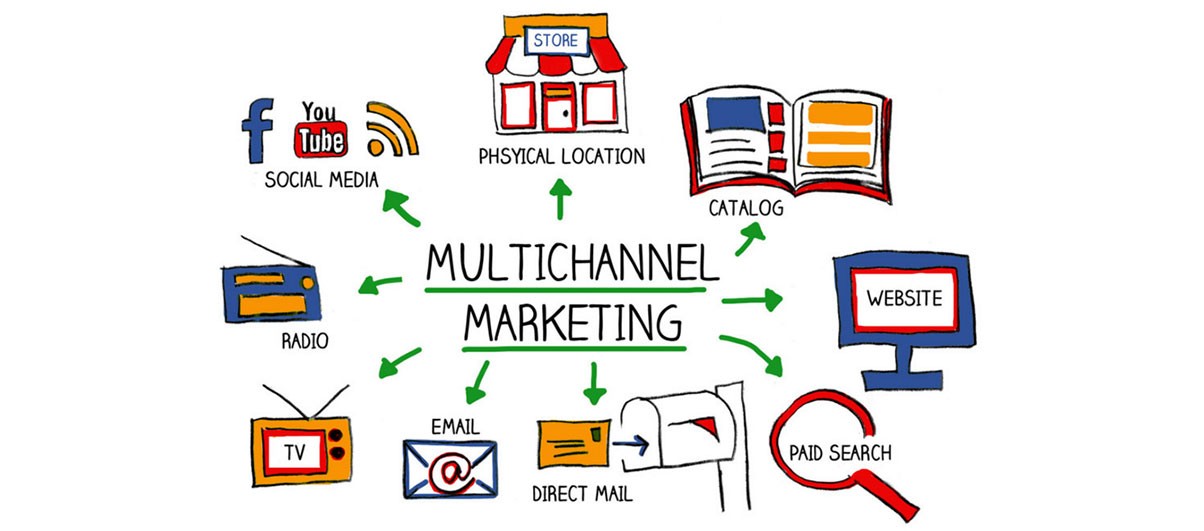
Many organizations launch campaigns without a complete growth framework.
Ads are launched without optimized landing pages. Leads are generated without structured nurturing workflows. Data is collected without a clear attribution model.
This creates fragmented marketing efforts where teams celebrate short-term results but struggle to sustain long-term growth.
Funnel Architecture Matters
Growth starts with clarity around the customer journey.
A structured marketing funnel ensures that every campaign moves prospects through a defined path—from awareness to consideration to conversion.
This includes:
Targeted audience segmentation
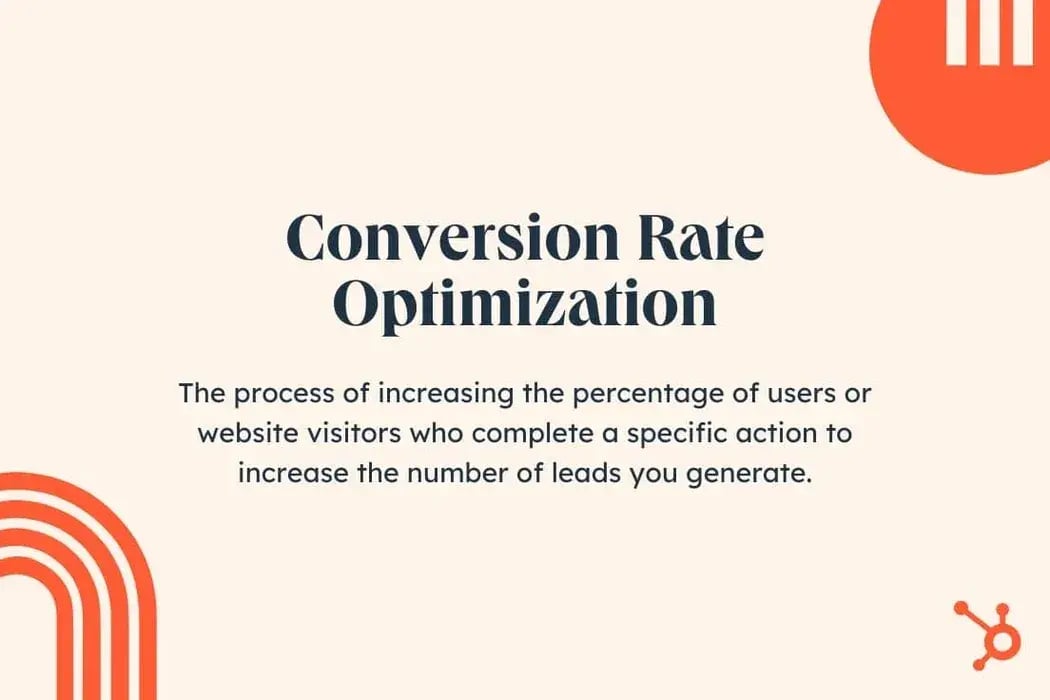
Optimized landing pages
Clear calls-to-action
CRM-based lead nurturing
Retargeting and follow-up campaigns
When these components align, marketing performance compounds.
Data Should Drive Decisions
One of the most significant shifts in modern marketing is the move from intuition-based decision-making to data-driven optimization.
Metrics such as cost-per-lead, ROAS, conversion rate, and attribution insights help marketers identify what’s working and where performance can improve.
Organizations that actively monitor and optimize these metrics gain a significant competitive advantage.
Cross-Team Collaboration Drives Growth
The interior brings the car’s personality to life. Leather, stitching, wood panels, gauges, and upholstery must faithfully replicate the original design. Skilled artisans often spend weeks on this stage, combining traditional techniques with modern precision to achieve a seamless restoration.
The Value of Preservation
Marketing does not operate in isolation.
Growth initiatives often require collaboration with product teams, sales teams, analytics specialists, and customer experience teams.
In many of the initiatives I’ve led, meaningful growth occurred only after these functions aligned around shared goals and shared data.
Final Thought
Marketing campaigns alone rarely drive sustainable growth. Organizations that build structured growth systems, where campaigns, analytics, conversion optimization, and retention strategies work together—create a foundation for long-term success.
Join the newsletter
Be the first to read my blogs.