Conversion Optimization: The Most Underrated Growth Strategy
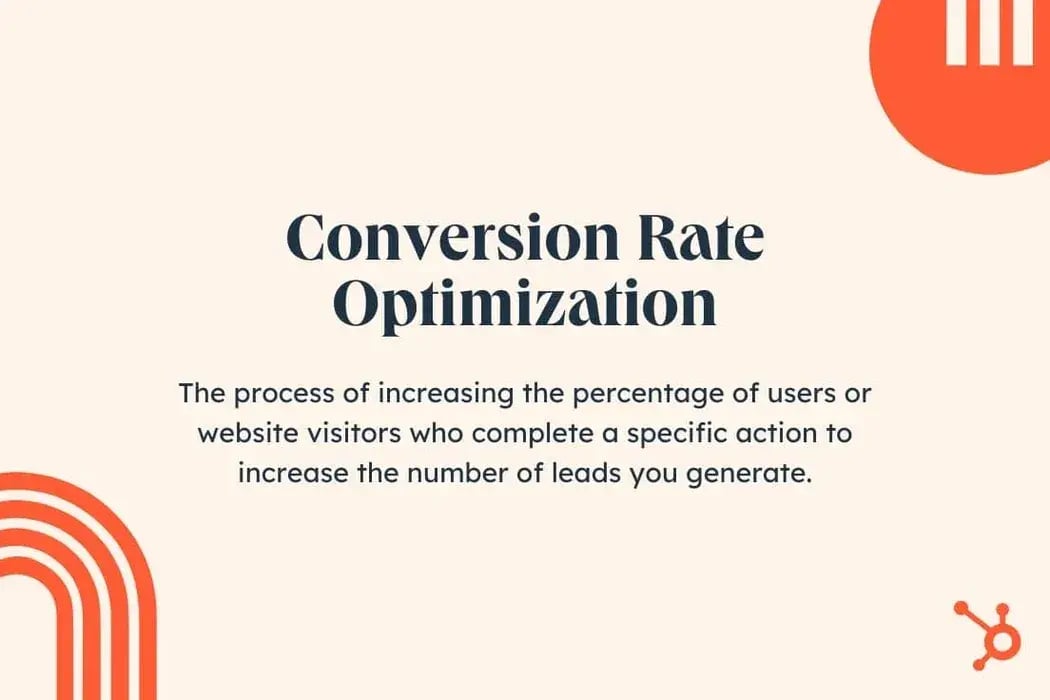
Marketing teams often prioritize traffic generation through paid ads, SEO, and social media campaigns. While acquisition is important, it is only one part of the growth equation. Conversion optimization focuses on improving how effectively existing traffic turns into leads, customers, or revenue. By optimizing landing pages, refining messaging, implementing structured lead nurturing systems, and analyzing user behavior across the funnel, businesses can unlock significant growth opportunities without dramatically increasing marketing budgets.
8 min read
Introduction
In many organizations, marketing success is measured primarily by how much traffic campaigns generate. Marketing teams celebrate increases in impressions, clicks, and website visits, often assuming that more traffic will automatically translate into more business growth.
However, in practice, traffic alone rarely delivers sustainable results.
Over the years working across performance marketing initiatives in healthcare, enterprise retail, and education sectors, one pattern has consistently emerged: the most impactful growth improvements often come not from increasing traffic, but from improving how efficiently that traffic converts.
Conversion optimization focuses on improving the journey users take from their first interaction with a brand to the moment they become a customer. When done correctly, it allows organizations to generate significantly more value from the traffic they already have.
The Growth Equation Most Teams Overlook
Many marketing teams operate under a simple assumption:
More traffic = more leads = more revenue
While this relationship can sometimes hold true, it often ignores the inefficiencies within the marketing funnel itself.
If a website converts only a small percentage of visitors into leads or customers, increasing traffic will still produce limited results. The funnel simply leaks value at multiple stages.
Conversion optimization addresses this challenge by focusing on improving each step of the customer journey.
Rather than asking how to bring more visitors into the funnel, marketers begin asking more important questions:
Where are users dropping off?
What messaging resonates most with the target audience?
Are landing pages clearly communicating value?
Are follow-up systems nurturing leads effectively?
Answering these questions often reveals growth opportunities that require process improvements rather than larger advertising budgets.
Why Conversion Optimization Is So Powerful
One of the most compelling aspects of conversion optimization is that small improvements can compound dramatically over time.
Consider a simple example.
If a website receives 10,000 visitors per month and converts 2% of those visitors into leads, that produces 200 leads. Improving the conversion rate to just 3% would increase leads to 300 per month.
This improvement happens without increasing advertising spend or traffic acquisition costs.
Now imagine applying similar improvements across multiple parts of the funnel, landing pages, lead forms, follow-up emails, remarketing campaigns, and sales conversion processes.
The combined impact can significantly increase revenue without dramatically increasing marketing budgets.
The Role of Landing Page Optimization
Landing pages play a critical role in conversion performance because they represent the moment when a visitor decides whether to engage further with the brand.
Many marketing campaigns fail not because of poor advertising strategy, but because the landing page experience does not match the expectations created by the advertisement.
Effective landing pages typically share several characteristics:
Clear and focused messaging
Strong value propositions
Simplified user experience
Visible and compelling calls-to-action
Mobile-optimized design
When landing pages align closely with campaign messaging and audience intent, conversion rates often improve significantly.
Understanding Funnel Drop-Off Points
Another key element of conversion optimization involves identifying where users exit the funnel.
Analytics platforms such as Google Analytics and CRM tracking systems allow marketers to observe how users move through different stages of the funnel.
These insights help answer questions like:
Are users abandoning the page before submitting forms?
Are leads failing to respond to follow-up communication?
Are potential customers dropping off after the first interaction?
By identifying these bottlenecks, marketing teams can implement targeted improvements rather than relying on assumptions.
The Importance of Lead Nurturing Systems
Conversion optimization does not end once a lead is generated. In many industries, particularly service-based businesses and education programs, the first interaction rarely results in an immediate purchase decision.
This is where lead nurturing systems become essential.
Structured follow-up processes using CRM automation, email workflows, remarketing campaigns, and outbound communication help guide potential customers through the decision-making process.
Without these systems, many leads generated through marketing campaigns simply go cold, representing lost opportunities.
Organizations that invest in structured nurturing processes often see significant improvements in lead-to-customer conversion rates.
Data-Driven Testing and Experimentation
Conversion optimization is not a one-time improvement. It is an ongoing process of experimentation and refinement.
Successful marketing teams adopt structured testing frameworks that allow them to continuously learn and improve performance.
Common areas for testing include:
Headlines and messaging
Landing page layouts
Call-to-action language
Form design and length
Audience segmentation
Over time, these experiments generate valuable insights that allow marketers to refine their strategies and build increasingly effective funnels.
Why Conversion Optimization Requires Strategic Thinking
Conversion optimization often requires collaboration across multiple parts of the organization.
Marketing teams may need to work closely with:
Web development teams to improve user experience
sales teams to understand lead quality
analytics teams to measure funnel performance
customer experience teams to refine messaging and positioning
When these functions collaborate effectively, organizations can build marketing systems that consistently convert traffic into measurable business outcomes.
Final Thought
In an era where advertising costs continue to rise and competition for attention is increasing, marketing efficiency has become more important than ever.
Organizations that focus exclusively on acquiring more traffic often overlook one of the most powerful growth levers available to them: improving conversion performance.
By optimizing landing pages, refining messaging, building structured lead nurturing systems, and continuously analyzing funnel performance, marketing teams can unlock significant growth opportunities without dramatically increasing budgets.
In many cases, the fastest path to growth is not bringing more people into the funnel — it is ensuring that more of the people already in the funnel successfully reach the end of the journey.
Join the newsletter
Be the first to read my blogs.