The Future of Performance Marketing: AI, Attribution, and the Rise of First-Party Data
Over the past decade, performance marketing has shifted from manual campaign management to sophisticated systems powered by automation, machine learning, and advanced analytics. At the same time, privacy regulations and platform changes have forced marketers to rethink how data is collected and used. This article explores the future of performance marketing, focusing on the role of artificial intelligence, evolving attribution models, and the growing importance of first-party data strategies.
8 min read
Introduction
Performance marketing has always been closely tied to technological innovation. From the early days of keyword bidding and display advertising to today’s sophisticated campaign automation systems, digital marketing has evolved alongside the platforms that power it.
\Over the past few years, however, the pace of change has accelerated significantly. Privacy regulations, artificial intelligence, and shifting data policies have fundamentally altered how marketers approach targeting, measurement, and optimization.
Understanding these changes is essential for marketers who want to build sustainable growth strategies in the coming years.
The Rise of AI-Driven Campaign Optimization
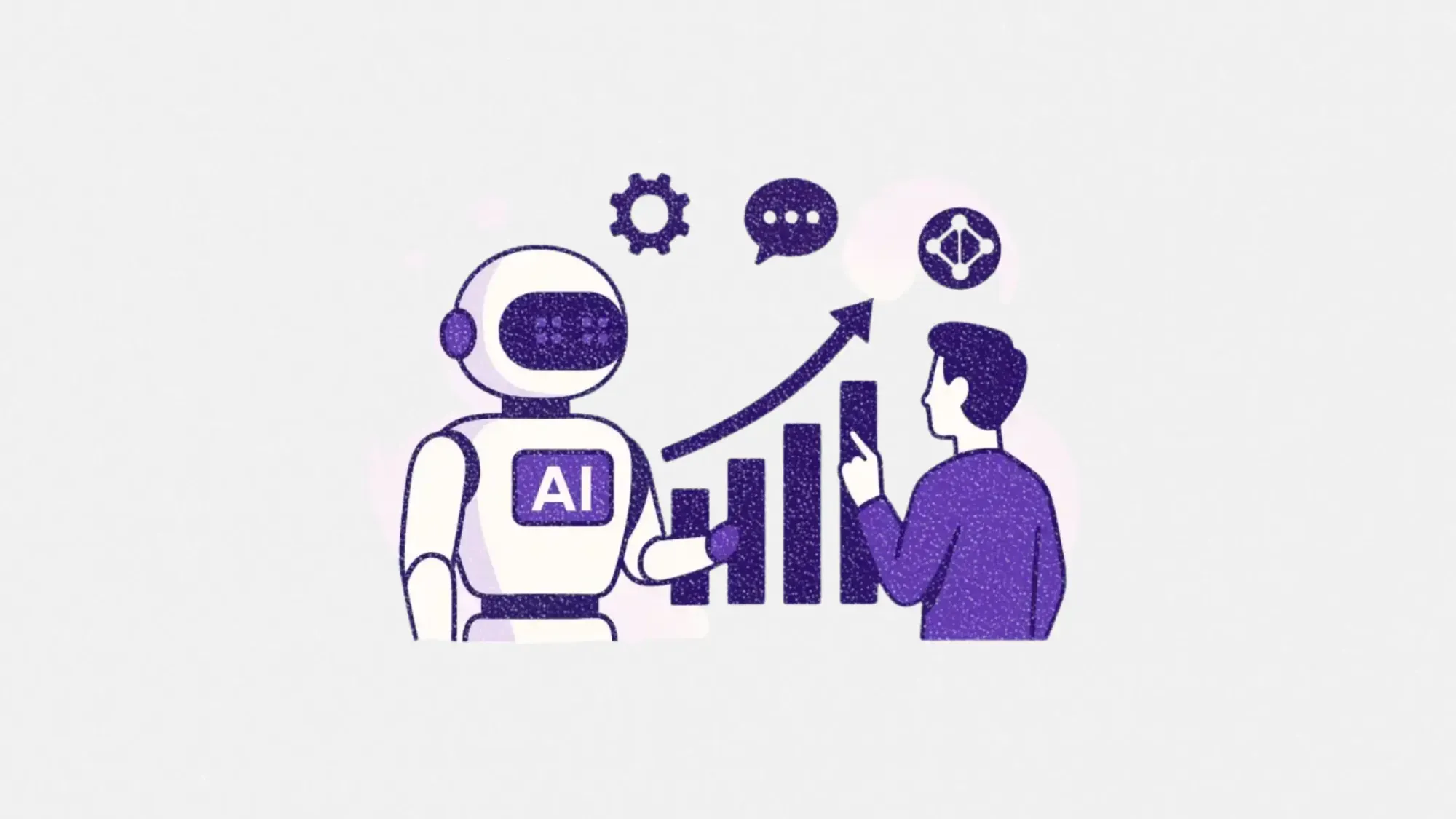
Artificial intelligence is rapidly transforming how marketing campaigns are managed. Platforms such as Google Ads and Meta now rely heavily on machine learning algorithms to optimize bidding strategies, audience targeting, and ad placements.
Instead of manually adjusting campaign settings, marketers increasingly rely on automated systems that analyze large datasets and continuously refine performance.
While automation reduces the need for manual adjustments, it also requires marketers to focus more on strategic inputs such as audience segmentation, creative messaging, and campaign objectives.
As marketing strategist Avinash Kaushik once noted, “Automation does not replace marketers—it amplifies the impact of those who understand strategy.”
Creative Strategy as the New Performance Lever
As algorithmic optimization becomes more sophisticated, creative strategy is emerging as one of the most important differentiators in performance marketing.
Platforms can optimize delivery and targeting, but they cannot replace the human insight required to develop compelling messaging and visual storytelling.High-performing campaigns often succeed because the creative resonates with the audience’s motivations, challenges, and aspirations.
Marketers who combine strong creative thinking with data-driven optimization are far better positioned to generate consistent campaign performance.
The Decline of Traditional Attribution Models
For many years, marketers relied heavily on attribution models such as last-click attribution to measure campaign performance. However, these models have become increasingly unreliable as customer journeys grow more complex and privacy restrictions limit cross-platform tracking.
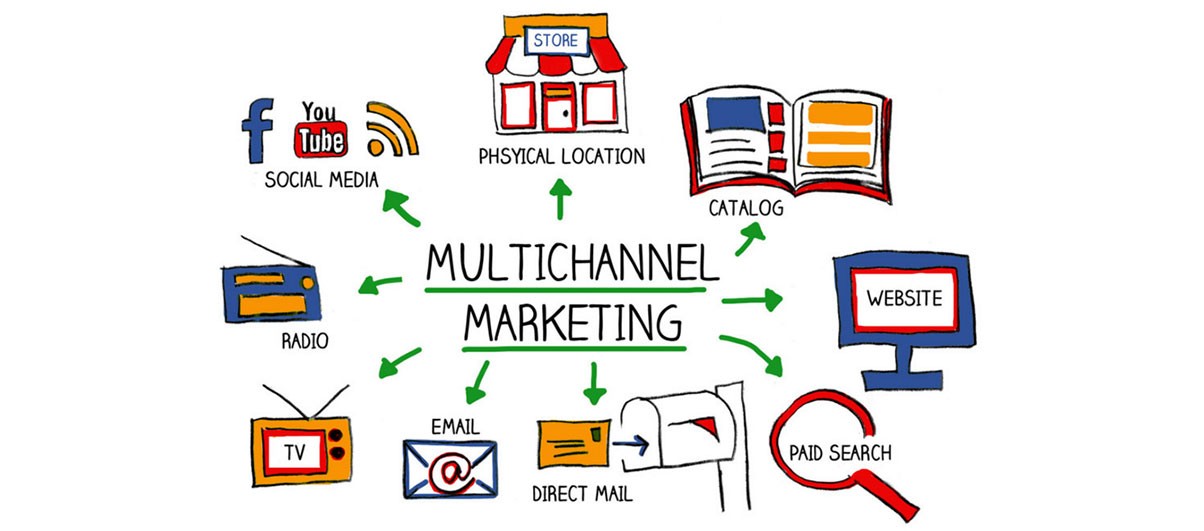
Modern consumers interact with brands across multiple channels before making a purchase decision. They may encounter a brand through social media, search for it later on Google, read reviews, and eventually convert after several interactions.
Measuring this journey accurately requires more advanced attribution frameworks that incorporate multiple touchpoints rather than assigning credit to a single interaction.
The Growing Importance of First-Party Data
One of the most significant shifts in digital marketing is the increasing importance of first-party data. As third-party cookies are phased out and privacy regulations become stricter, brands must rely more heavily on the data they collect directly from their own audiences.
First-party data includes information gathered through website interactions, CRM systems, email subscriptions, and customer transactions.
This data allows marketers to build more reliable audience segments while maintaining compliance with privacy regulations. Companies that invest in strong data infrastructure today will have a major advantage in the evolving digital landscape.
Marketing Automation and Customer Lifecycle Management
Automation is also transforming how marketers manage the customer lifecycle. Modern CRM platforms allow businesses to create sophisticated workflows that nurture prospects from initial awareness through conversion and retention.
Automated email sequences, remarketing campaigns, and personalized messaging help guide users through the funnel while maintaining consistent communication. These systems allow marketing teams to scale their efforts efficiently while still delivering relevant experiences to individual users.
Data-Driven Decision Making
As marketing technology becomes more advanced, data literacy is becoming an essential skill for marketing leaders.
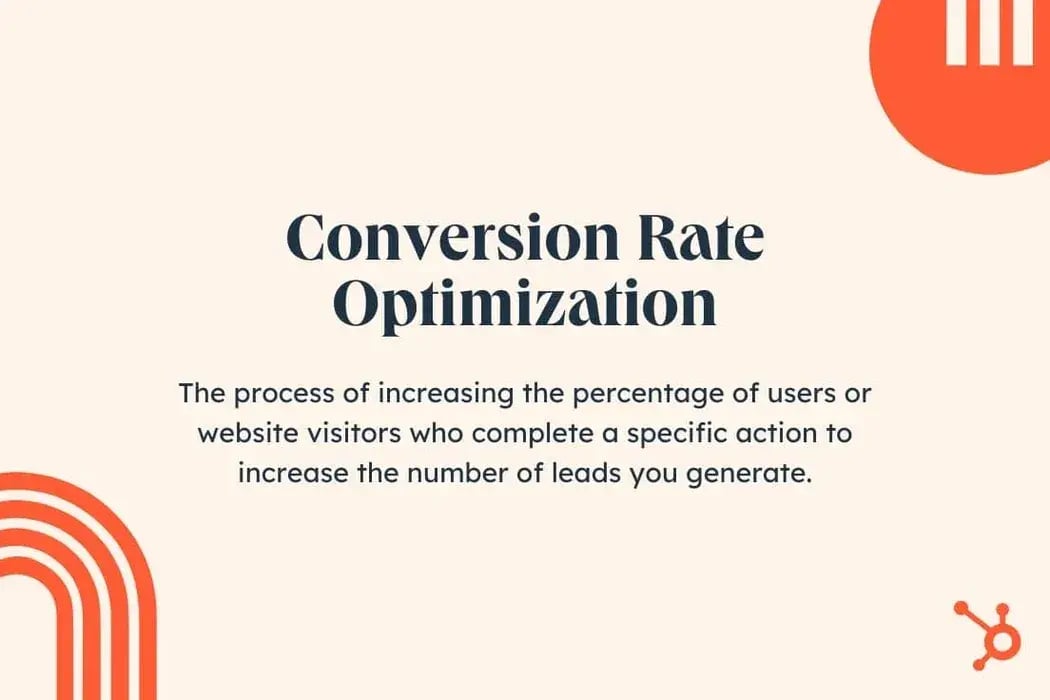
Performance metrics such as customer acquisition cost, lifetime value, conversion rate, and return on ad spend provide critical insights into the effectiveness of marketing strategies. However, interpreting these metrics correctly requires both technical understanding and strategic thinking.
Marketers who can translate complex data into actionable insights play a crucial role in guiding organizational growth strategies.
Final Thought
The future of performance marketing will be shaped by a combination of technological innovation and strategic adaptation. Artificial intelligence will continue to automate campaign optimization, while privacy regulations will shift the industry toward first-party data strategies.
Attribution models will evolve to reflect increasingly complex customer journeys, and automation will expand the capabilities of marketing teams. In this environment, the most successful marketers will be those who combine technical expertise with strategic thinking.
Understanding both the tools and the broader marketing ecosystem will be essential for building sustainable growth in the years ahead.
Join the newsletter
Be the first to read my blogs.